

Definitely a jewel in England’s quaint, historic crown
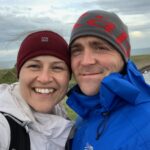
We had one more place to visit in England before finally heading for the Scottish border in the motorhome; Lindisfarne. It’s more commonly referred to today as Holy Island.
How did it get the name ‘Holy Island’? After the bloody attack on the priory by vikings in 793AD, the Durham Monks said that Lindisfarne had been ‘baptised in the blood of so many good men – truly a ‘Holy Island’. The Holy Island of Lindisfarne was perhaps a little long and so locally it became simply, Holy Island.
Being the whizz that I am at Geography (I appreciate you can’t hear the sarcasm that would be dripping from that statement if I was saying it aloud to you), I thought Lindisfarne was in Scotland. In my defence, it does sound like it should be, as does Bamburgh.
Anyway, I was more than happy to still be in England to visit this beautiful corner of the country. Unlike anywhere we have visited so far on our travels, Lindisfarne is a tidal island. There is one access road and that is cut off twice a day by the North Sea.
We found out just how quickly that sea comes in too, but more on that later.
Setting the Scene
Driving across the causeway, we were captivated by the glistening wetlands around us. It might have been a drizzly October day, but the sparkling of the residual water set against the dull, grey tones set the scene perfectly for us.
You see, whilst we do enjoy a nice summers day we definitely prefer Autumn and Winter, especially for exploring. There are many reasons for this, from the beautiful colours as the leaves change to the almost gothic atmosphere created when a moody winters day meets characterful architecture.
Having briefly read about the historic roots of the Island, the latter is what sprang to mind as we headed on to the Island.
Plenty of room
Lindisfarne has a tiny population of just over 160 people yet it caters for the 650,000 visitors that frequent each year with plenty of parking (although don’t hold me to that at busier times. Finding a spot to park the motorhome was a breeze! We opted for the large visitor car park on the North side of the village. It’s only £3.50 for 3 hours or £5.50 for a long stay, plenty for the 6/7 hour window before the causeway is cut off again. Of course always check the crossing times for your visit as they vary daily.
Getting excited about something as mundane as parking is all part and parcel of motorhome travel. It’s amazing how much more you enjoy a place when you’re not worrying about where you’ve left the van or if you’re even gong to be able to stop in your desired destination.
Birthday girl’s choice
It was actually Mandy’s birthday that day, so it was her choice what we got up to. Exploring and then food, finished off with some tat shopping was the request and quite frankly, that sounded perfect.
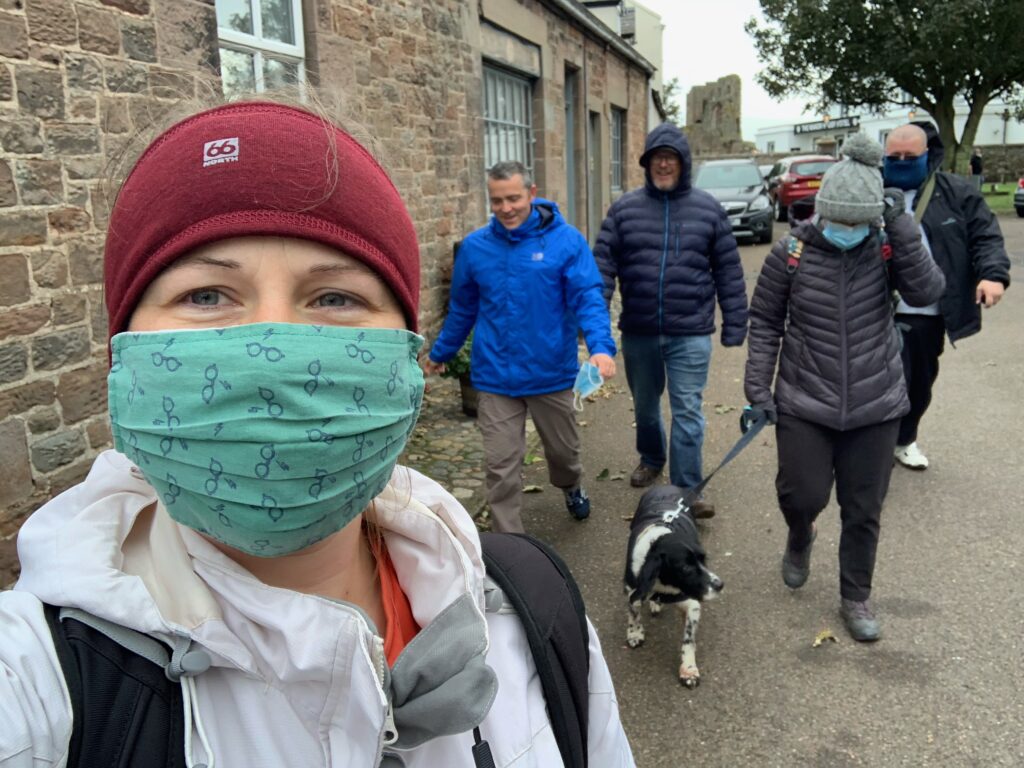
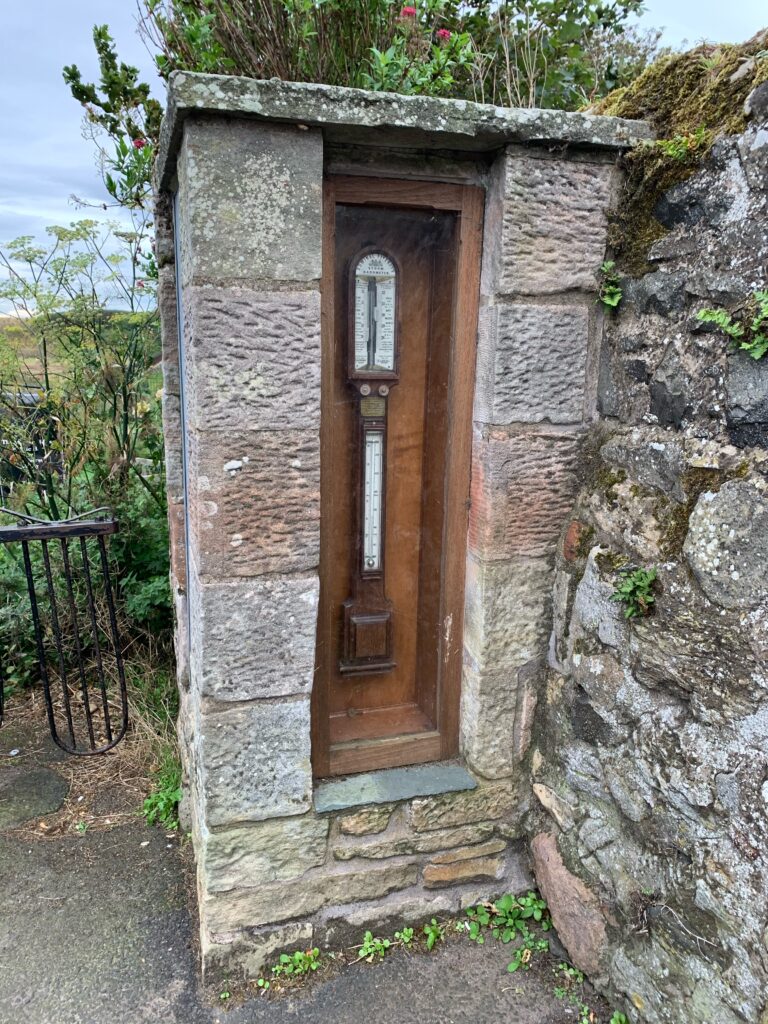
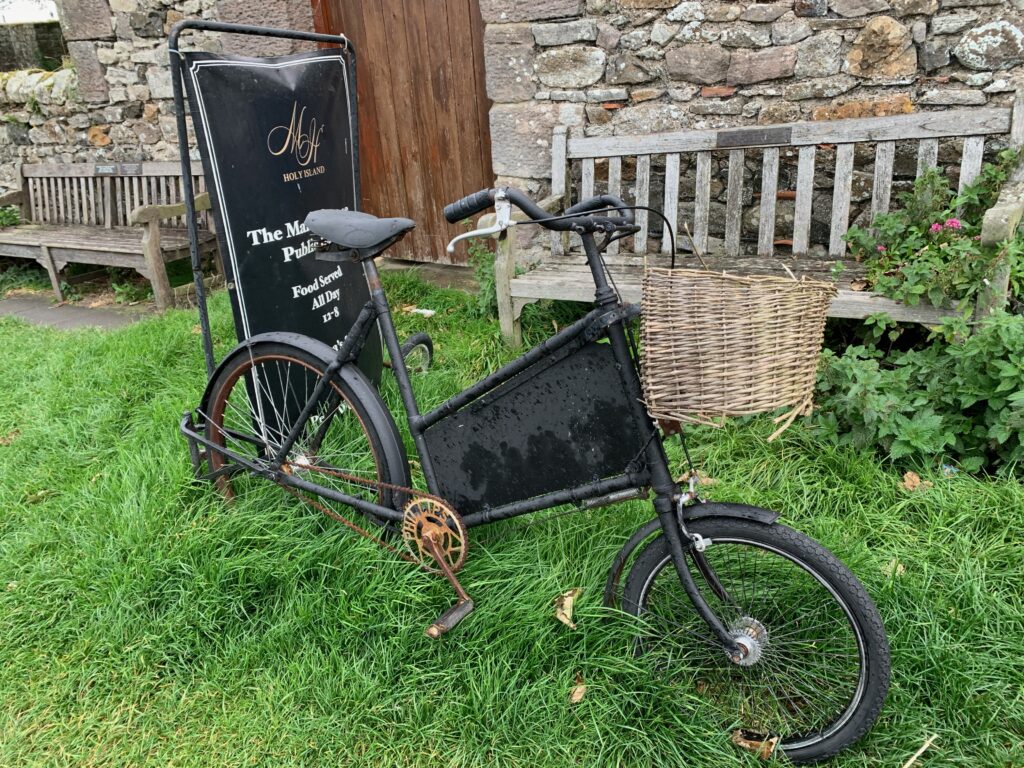
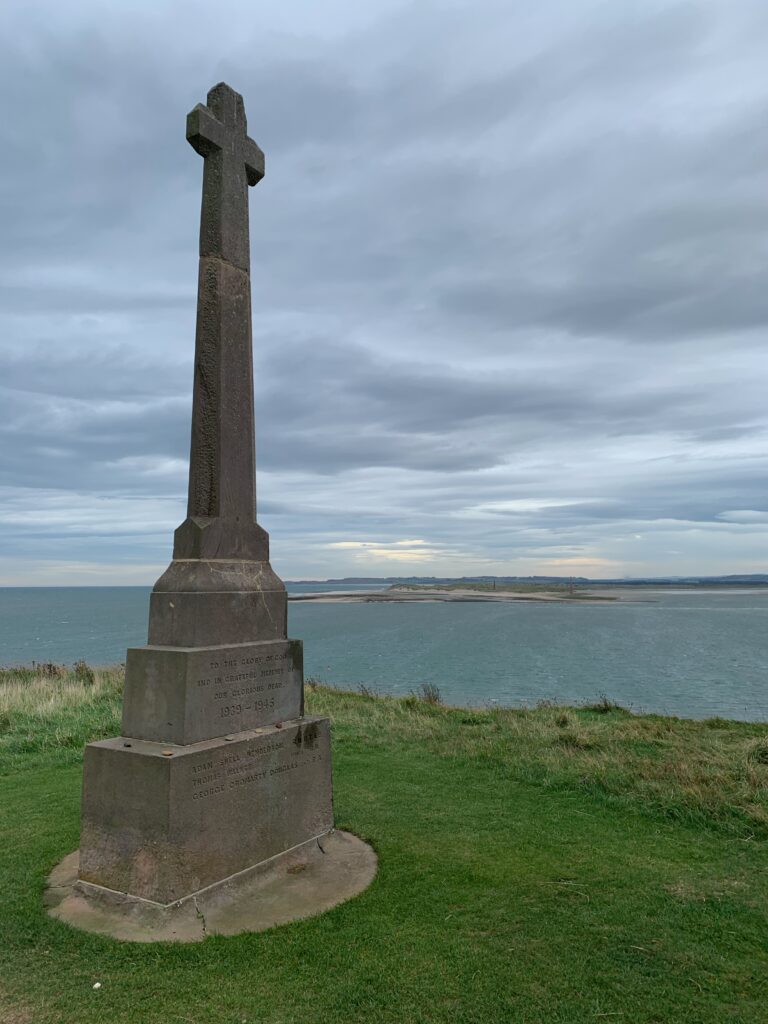
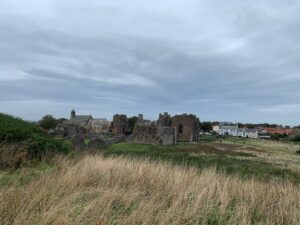
We headed through the narrow streets of the village, past the rows of cottages, whose front doors open right on to the road, and up towards the cliff top. We passed the medieval Priory ruins but didn’t manage a visit (it’s pre-booking only at present). The elevated view from our very windy vantage point was appreciated though.
Almost Marooned
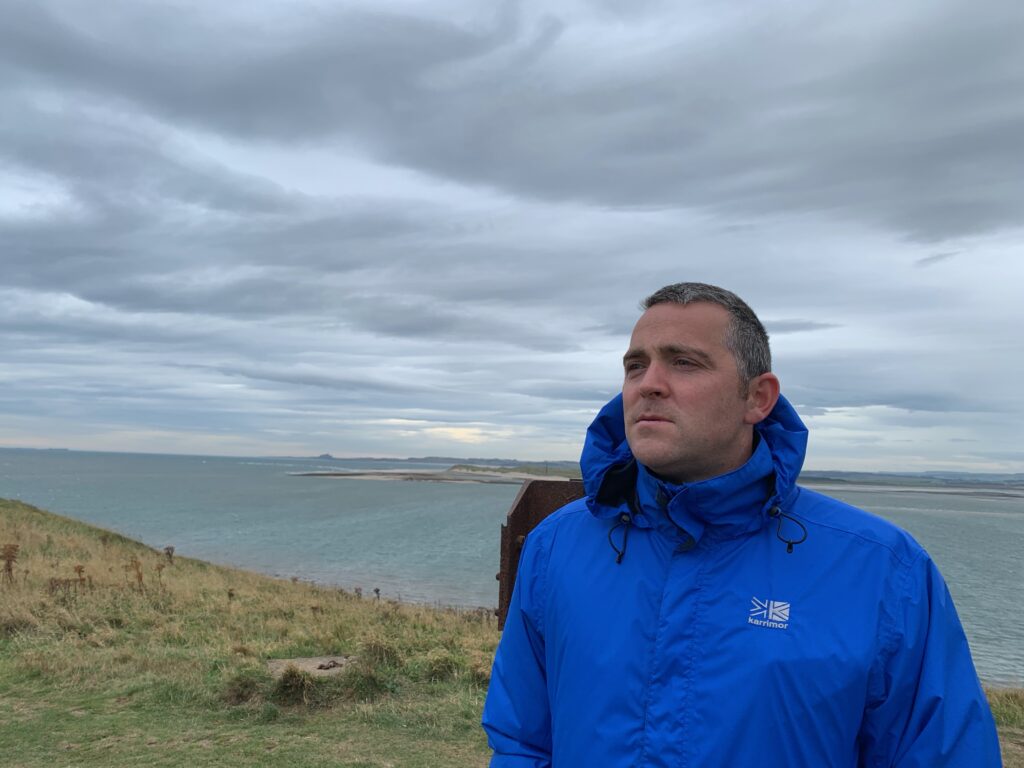
As we walked up along that edge, the views out across the North Sea were spectacular. The tide was out and so much more land was visible around the coastline. Mandy and I thought we could see Seals further out, chilling out on some of that visible land.
We spotted a plot of green land farther in and I had the idea that maybe we should head to that land to see if we could get a better look at the seals. I would like to point out that everyone in our party agreed to this before I tell you what happened next.
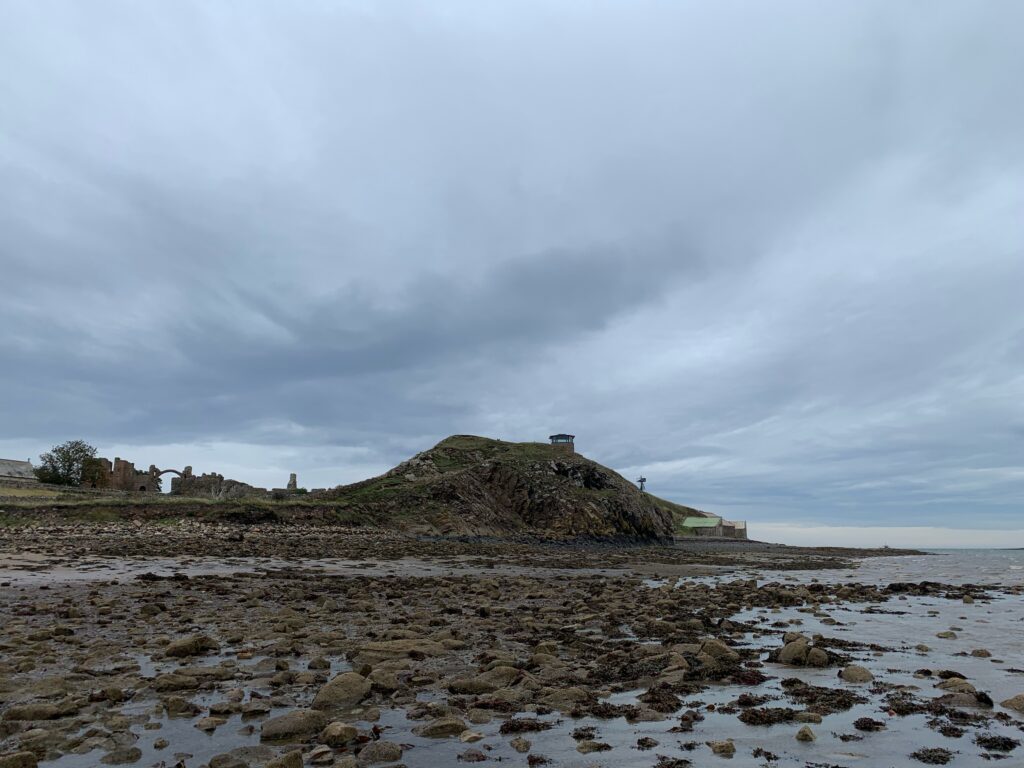
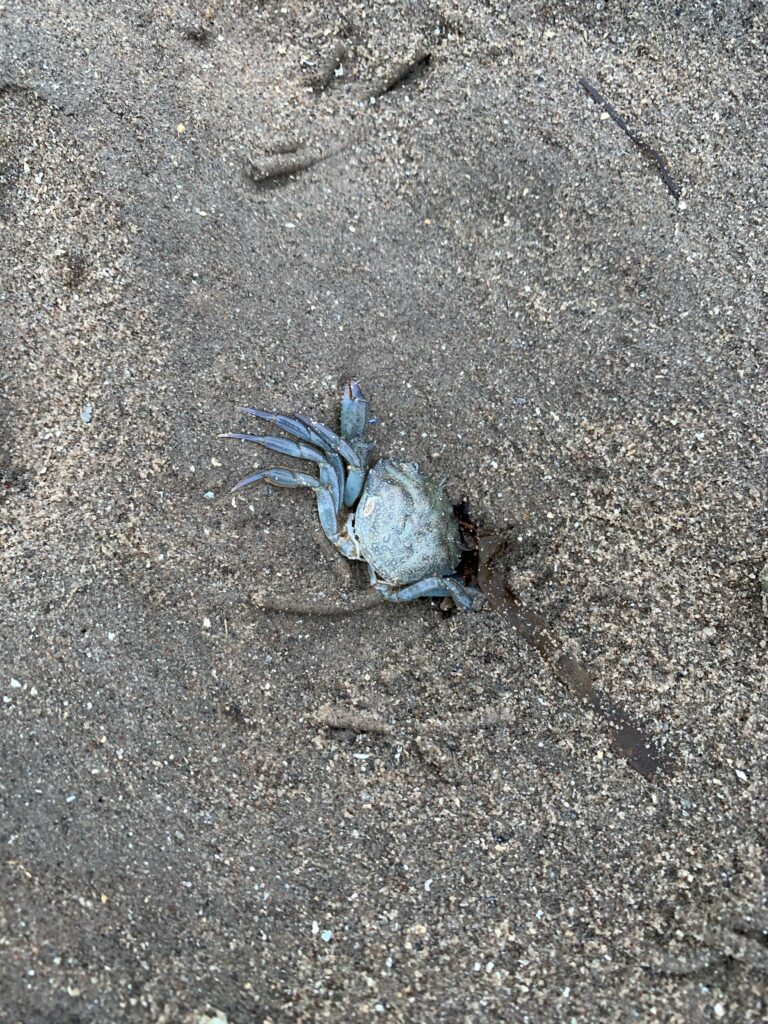
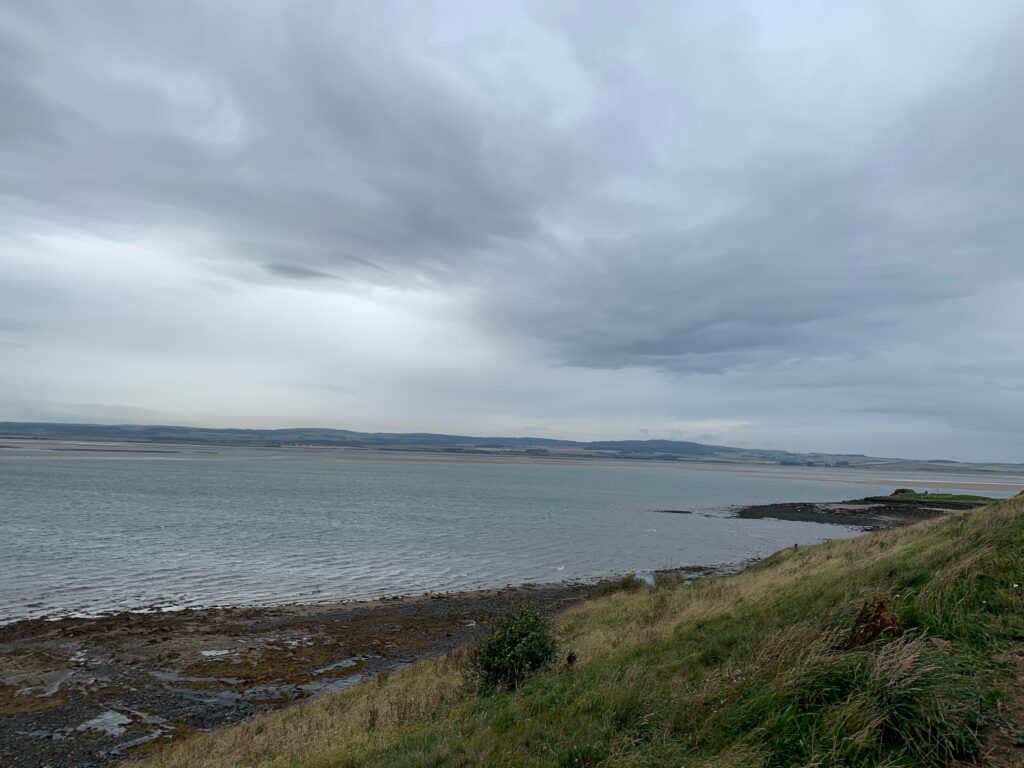
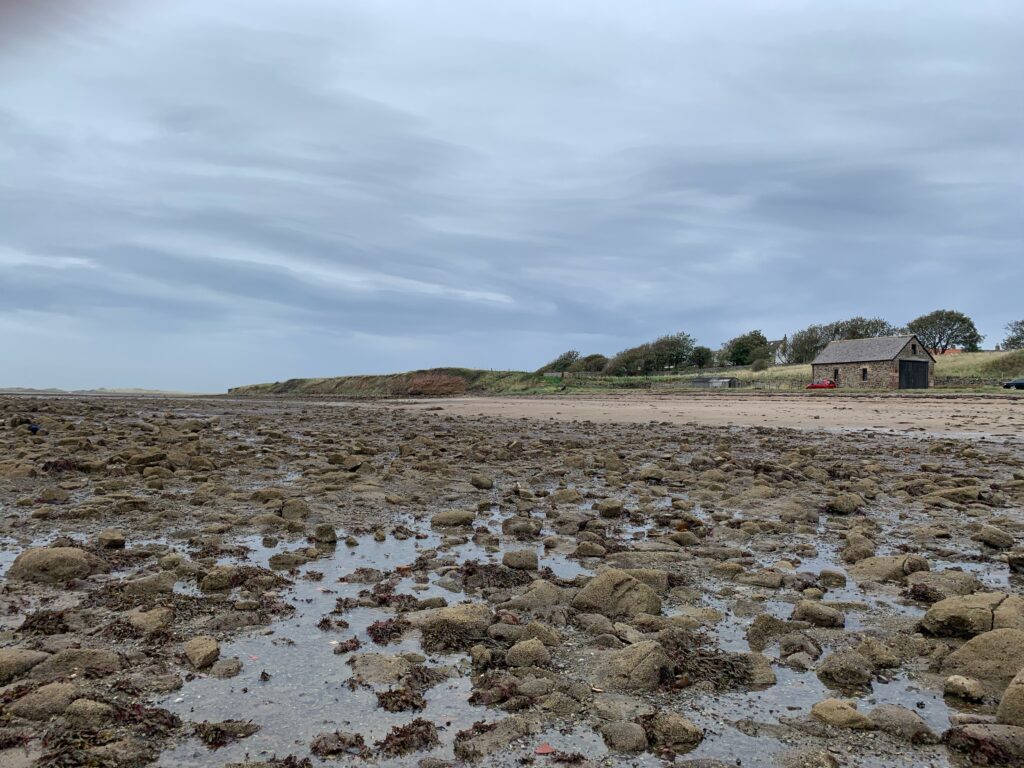
We made our way down the cliff face on rocks that almost formed steps and walked across the stretch of sandy, rocky causeway. Similar to what we had seen on the beach at Bamburgh, we saw all sorts of sea life around our feet. Thankfully this was seemingly still living thanks to the little pools of water forming in between rocks.
We reached what we now know was St Cuthbert’s Island. The Island alone is actually a scheduled monument because it is a Site of Special Scientific Interest and a National Nature Reserve. We had barely had time to look out for the seals or inspect the rectangular remains of the medieval chapel when we hear ‘the tide is coming in’.
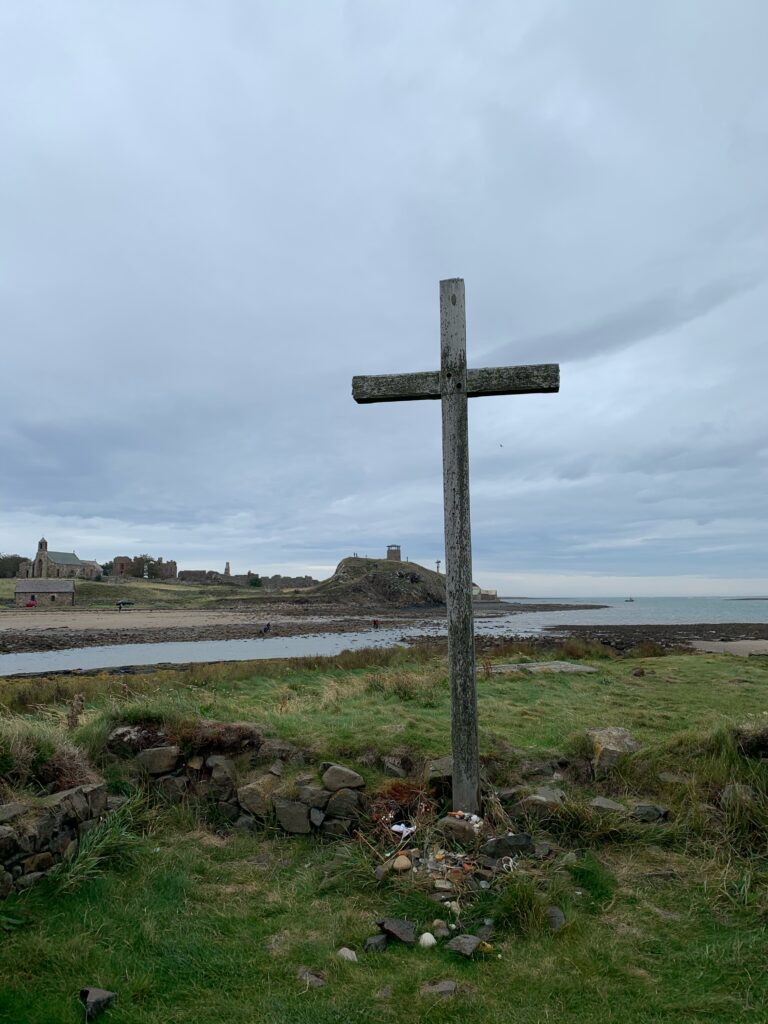
I turned to see the others retreating (Jon had already scarpered at this point I would like to add) and it took me a split second to process what they were saying.
The causeway that we had crossed not 5 minutes before was now partially covered in water and it was coming in fast. Nobody finished the mad dash to the mainland with dry feet. In fact, by the time I had decided to stop trying to use the rocks as stepping stones and just sprint across, the water was already up to my ankles and rising.
See us getting soaked in action, in the vlog!
Retreat and regroup
Needless to say, our exploring was over for the time being as we decided to retreat to the nearest pub for lunch. The only one open that afternoon was a gorgeous little seafood place, tucked away in the corner of the village. Jon wasn’t feeling adventurous (to be fair he doesn’t really like seafood) so opted for a burger but I decided to sample some local delights and had dressed crab salad. I wasn’t sure how I would like it but it was actually delicious!
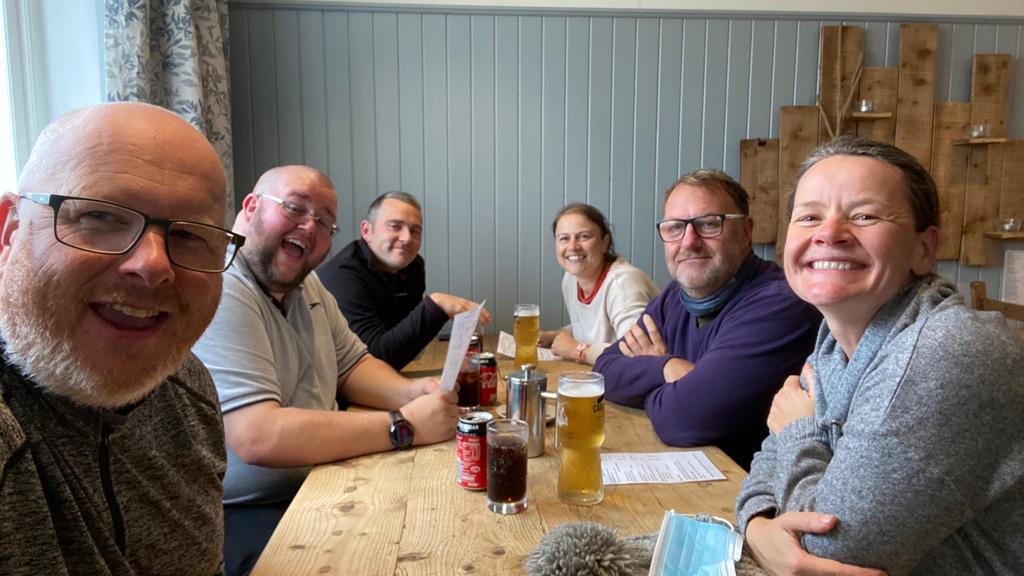
Full, with squelching boots but still smiling, we headed back to the van to change in to dry socks and shoes before setting off to the tat shop. The front section was brimming with awesome nicknacks, some of it being toys I haven’t seen since I was young! Then the back section was dedicated entirely to alcohol, mainly mead.
I had only tried mead for the first time a few weeks before funnily enough and was surprised how many varieties there actually are. I bought a small bottle to take away but wish I had bought a bigger one as its possibly my new favourite ‘sippable’ beverage.
To the Castle!
Our day wasn’t quite done as we couldn’t leave here without seeing the magnificent 16th Century Castle that sits up high, atop the Beblowe Crag. It was originally built around 1550, using stone from the nearby Lindisfarne priory that had been dissolved in the dissolution.
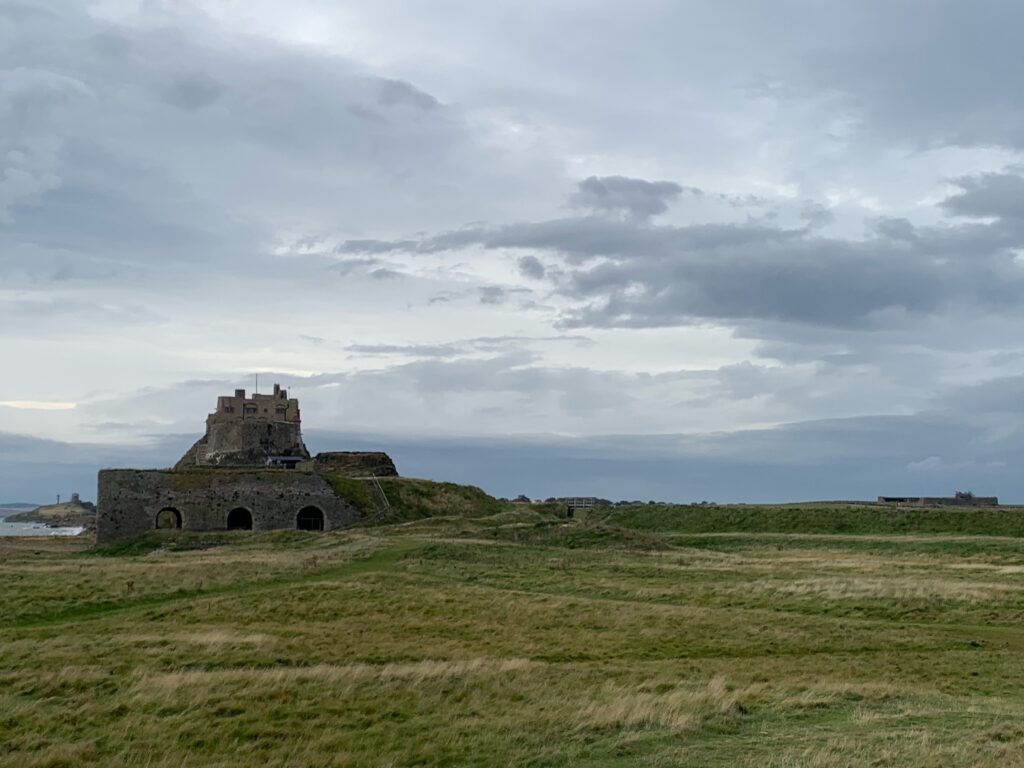
Lindisfarne’s location along the border meant it was regularly under attack from Scots (and Norseman before that!) so works were later carried out during Elizabeth I’s reign to fortify the castle.
In its later years the castle was used as a coastguard look-out and then lay abandoned until 1901. It was then purchased by Country Life magazine owner, Edward Hudson. He enlisted architect Sir Edwin Lutyens, who transformed the place in to a beautiful holiday home. The property was then given to the National Trust in 1944.
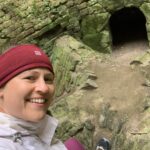
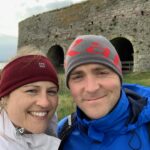
The neighbouring Lime Kilns, also in the care of the National Trust, are open to view and provide a reminder of the surprising but important industrial past of Lindisfarne. Whilst we were able to walk around inside the base of the Kilns, sadly the Castle is not currently open to the public.
No doubt there is still much more to be discovered on Holy Island than the snippets we saw so we will definitely go back. I, in particular, want to explore that castle as a bit of research shows that there are still features from its days as a Tudor fort present. Apparently, you just have to look a little deeper that what you can see in front of you and that is a challenge I willingly accept!
See the entire road trip playlist too to catch up on all of our trip in our vlogs
Brilliant blog! You have such a talent for descriptive writing and your enthusiasm for historical places shines through.
Thank you so much! I really enjoyed writing this one as it had been a little while since i last wrote anything. I am glad that that came through and that most importantly, you enjoyed reading it!